
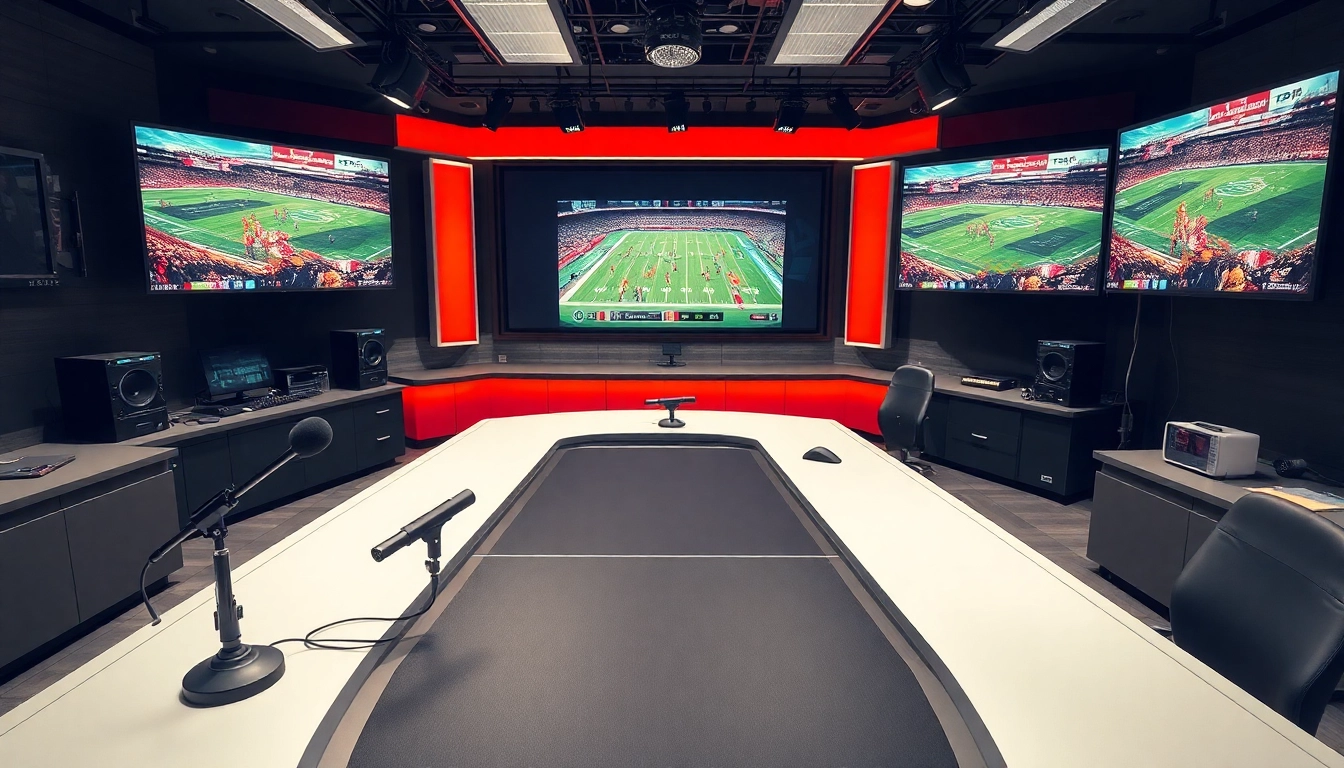
Introduction to Sports Broadcasting
Sports broadcasting is a dynamic and multifaceted industry that captures the excitement and drama of sports events for viewers around the globe. It is a bridge between the athletes' performances and the audiences who revel in their brilliance. As the landscape of Sports Broadcasting evolves, so too must the techniques and strategies employed by broadcasters to engage audiences effectively and provide memorable viewing experiences.
Understanding the Basics of Sports Broadcasting
At its core, sports broadcasting involves the transmission of live or recorded sports events via radio, television, or digital platforms. Broadcasters utilize multiple formats, including play-by-play commentary, analysis, and post-game discussions, to bring every detail to life. The landscape incorporates traditional network broadcasting alongside emerging digital platforms, creating a rich tapestry where sports are no longer confined to a singular medium.
The Role of Sports Broadcasters
Sports broadcasters serve various essential roles, including play-by-play announcers who provide real-time commentary, analysts who break down plays, and sideline reporters who gather insights and updates. Each role requires a unique set of skills, enabling broadcasters to inform, entertain, and engage audiences effectively. Furthermore, their presence plays a crucial part in shaping sports narratives, influencing fan perceptions and engagement.
Key Sports Broadcasting Terminology
Understanding common terminology is crucial for anyone interested in sports broadcasting. Terms such as "color commentary," "telecast," and "graphics" hold specific meanings within the industry. Moreover, phrases like "lead-in" and "out-cue" pertain to the structural elements of broadcasts, influencing how information is presented to the audience. Familiarity with this lexicon not only enhances professional communication but also enriches the viewing experience for fans.
Essential Techniques in Sports Broadcasting
The techniques adopted by sports broadcasters significantly impact the quality and effectiveness of their broadcasts. Mastery of these techniques, ranging from analytical skills to communication strategies, is vital in a rapidly changing landscape.
Analytical Skills in Sports Broadcasting
Analytical skills are pivotal for broadcasters to provide insightful commentary. Understanding statistics, player performance metrics, and historical trends helps in delivering context to viewers. For instance, analyzing a team's previous matches can frame the narrative of the current game, allowing audiences to appreciate the stakes involved. Moreover, as data analytics continues to evolve, broadcasters must learn to integrate relevant metrics seamlessly into their narratives without overwhelming their audience.
Communication Strategies for Broadcasters
Effective communication is fundamental to sports broadcasting. Broadcasters must hone their voice modulation, pacing, and articulate delivery to convey the excitement of live events. Engaging with viewers through storytelling techniques enhances relatability, turning statistics into compelling narratives. Additionally, knowing when to use layman's terms or technical jargon is crucial for connecting with various audience segments, ensuring everyone remains engaged.
Use of Technology in Sports Broadcasting
Advancements in technology have revolutionized sports broadcasting, leading to immersive experiences for viewers. From instant replays to augmented reality graphics, broadcasters leverage technology to enhance storytelling. High-definition visuals, drone cameras, and multiple camera angles provide richer perspectives of the event. Understanding how to integrate these technologies into broadcasts not only elevates production quality but also improves audience engagement by providing deeper insights.
Challenges in Sports Broadcasting
While sports broadcasting is exhilarating, it comes with its own set of challenges that broadcasters must navigate skillfully.
Adapting to Changing Audience Expectations
The audience’s expectations are continuously evolving due to cultural shifts and technological advancements. Viewers today crave interactivity, personalized content, and on-demand access to sports events. Broadcasters need to adapt by offering multi-platform viewing options, engaging pre-and post-show analysis, and utilizing social media to connect with fans. Listening to audience feedback is essential to stay relevant and cater to changing preferences.
Managing Live Broadcast Pressure
Live broadcasting comes with inherent pressure due to the need for quick thinking and real-time decision-making. Broadcasters must maintain composure, deliver accurate information, and adapt to unforeseen circumstances, such as technical issues or weather delays. Preparation through rehearsal, scenario training, and maintaining flexibility are vital strategies for managing stress and ensuring a seamless broadcast experience.
Overcoming Technical Difficulties
Technical difficulties can disrupt the flow of a broadcast, requiring quick problem-solving capabilities from sports broadcasters. Utilizing backup systems, having contingency plans, and effective communication with technical teams during broadcasts can mitigate risks. Understanding common issues and preparation through rehearsals can enable broadcasters to respond swiftly, ensuring minimal disruption to viewer experience.
Best Practices for Effective Sports Broadcasting
Success in sports broadcasting is framed by a commitment to best practices that enhance engagement and build loyalty among audiences.
Engagement Techniques for Viewers
To keep audiences invested, broadcasters should employ various engagement techniques such as interactive polls, social media integration, and audience-led discussions. Creating segments that invite viewer interaction fosters a sense of community and connection with the broadcast. Moreover, utilizing storytelling that focuses on human interest aspects within sports events can enhance emotional engagement, making audiences more likely to return for future broadcasts.
Building a Personal Brand in Sports Broadcasting
In an era where personal branding is crucial, broadcasters need to develop a unique voice and on-air identity. A recognizable personal brand helps in creating a loyal audience base and differentiates broadcasters in a crowded marketplace. Developing a consistent style, leveraging social media platforms for personal engagement, and being authentic can significantly elevate a broadcaster's profile and credibility within the industry.
Staying Updated with Industry Trends
The sports broadcasting landscape is in constant flux, shaped by technological advances and evolving viewer preferences. Staying abreast of industry trends is essential for broadcasters who wish to remain relevant. Regularly attending seminars, participating in workshops, and engaging with industry professionals allows broadcasters to network and learn from one another. Subscribing to industry publications also aids in gaining insights into emerging trends and adapting accordingly.
Measuring Success in Sports Broadcasting
Analyzing success in sports broadcasting encompasses multiple metrics that gauge audience engagement and overall performance.
Key Performance Indicators for Broadcasters
Establishing robust Key Performance Indicators (KPIs) is vital for measuring success in sports broadcasting. Common KPIs include viewership ratings, audience engagement levels, and social media interactions. By tracking these metrics, broadcasters can gain valuable insights into their performance, identifying areas for improvement while recognizing successful strategies that resonate with viewers.
Gathering Viewer Feedback
Constructive feedback from viewers offers invaluable insights into the effectiveness of broadcasts. Surveys, focus groups, and metrics drawn from social media interactions can inform broadcasters about viewer preferences, strengths, and shortcomings. Incorporating this feedback into subsequent broadcasts can lead to continuous improvement and stronger audience loyalty as broadcasters adapt to viewer demands.
Strategies for Continuous Improvement
In the fast-paced world of sports broadcasting, continuous improvement is paramount. Broadcasters should regularly evaluate their performance based on audience metrics and feedback, using this information to fine-tune content and delivery methods. Implementing peer reviews and seeking mentorship from industry veterans can provide fresh perspectives and foster growth, ensuring that broadcasters evolve with the changing landscape.
Frequently Asked Questions
What are the different roles in sports broadcasting?
Sports broadcasting includes various roles such as play-by-play announcers, analysts, sideline reporters, and producers. Each plays a vital role in delivering engaging content to audiences.
How do broadcasters prepare for live events?
Broadcasters prepare by researching teams, players, statistics, and historical trends. Rehearsals and running through potential scenarios assist in managing live pressure.
What is the impact of technology on sports broadcasting?
Technology enhances sports broadcasting through real-time graphics, instant replays, and immersive experiences, allowing broadcasters to engage audiences more effectively.
How do broadcasters build a personal brand?
Building a personal brand involves developing a unique style, maintaining consistency, engaging with audiences on social media, and staying true to one's authentic voice.
What are some key performance indicators for broadcasters?
Key performance indicators include viewership ratings, audience engagement, and social media interactions, all of which help evaluate broadcasting effectiveness.